Short answer
What is the best Strong alternative?
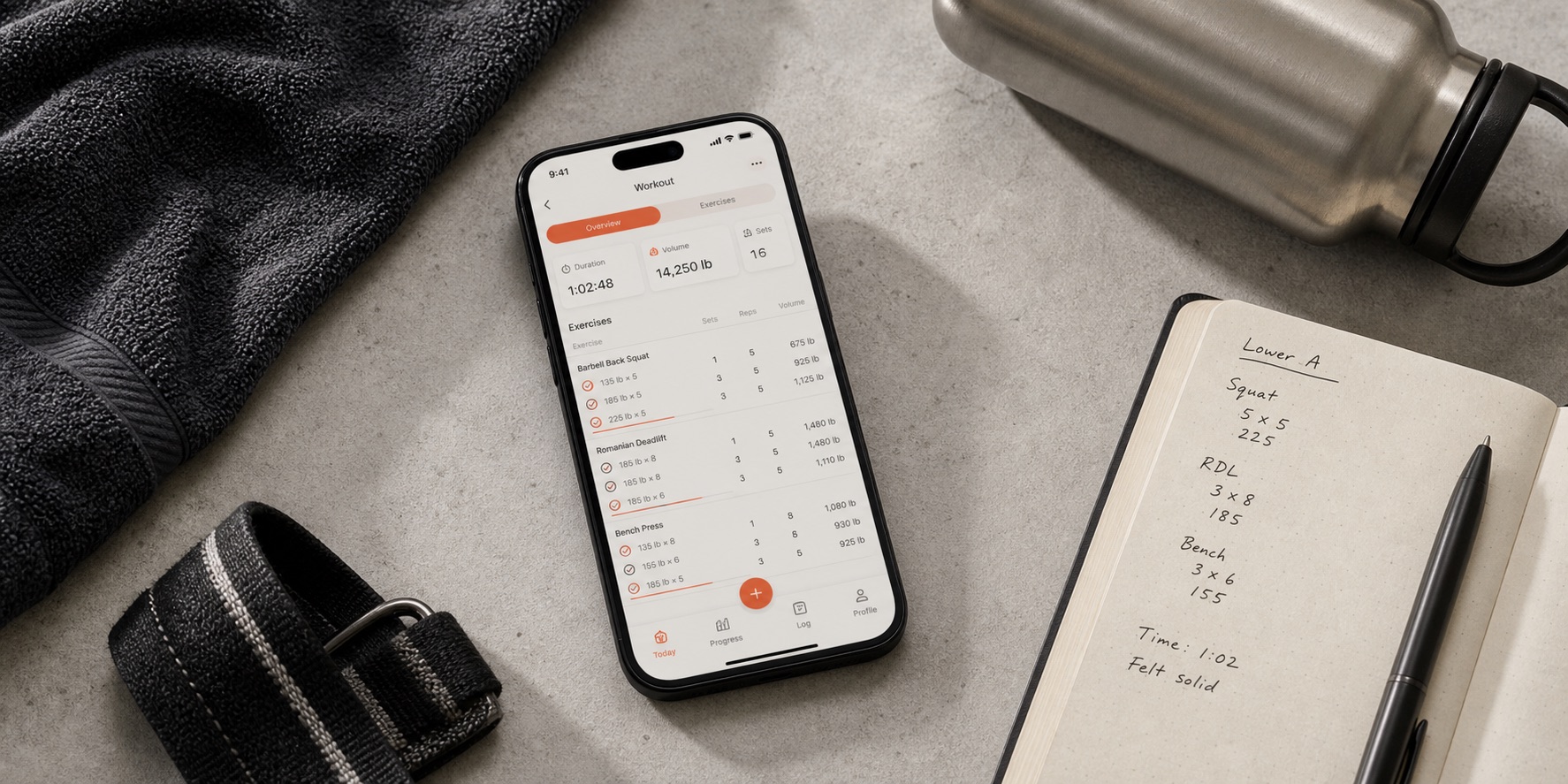
People look for a Strong alternative when they have outgrown plain logging. Strong does the basics well: log sets, rest timers, plate math, and a clean Apple Watch app. What it does not do is program for you. Brace AI is being built around fast logging and future Apple Watch support, then layers on an AI coach that builds your sessions and adjusts loads as you progress.
Bottom line
Pick Strong for simple, reliable logging and Apple Watch. Pick Brace AI when you want the app to write the program and handle progression.
Evidence checked before writing
We source-check pricing, platform support, free-tier limits, and official positioning before making recommendation claims. Start with these official references, then use the full source list at the end for the complete page audit trail.
Best alternatives
The best Strong alternatives by use case
If you are searching for a Strong alternative, the right answer depends on what you want to replace: the logging flow, the free tier, the social features, or the missing coaching layer. These are the strongest options to shortlist.
Our top choices
If you only shortlist three apps, start here. These cover the main reasons people leave Strong: wanting coaching, wanting a quieter logbook, or wanting workouts generated.
Best overall
Brace AI
AI coaching on top of fast logging
The best Strong alternative if you like simple logging but want the app to handle programming, progression, missed sessions, and exercise swaps.
Main tradeoff
Not as stripped-down as Strong.
Jump to review
Free logging and social tracking
Hevy
Free logging and social tracking
Hevy is a strong pick if you want a more modern free logger with routines, charts, and a friend feed.
Main tradeoff
Still mostly leaves programming to you.
Jump to review
AI-generated workouts
Fitbod
AI-generated workouts
Fitbod is a better Strong alternative for people who want the app to generate sessions from equipment and recovery.
Main tradeoff
Less minimal, and more expensive after trial.
Jump to review
Other strong options
These are not throwaway mentions. Each one is best for a narrower use case, so we still include full review notes below.
Full reviews
Full reviews of the best Strong alternatives
The sections below go deeper on where each app fits, what it does well, and where the tradeoffs matter in actual training.
Best for AI coaching on top of fast logging
1. Brace AI
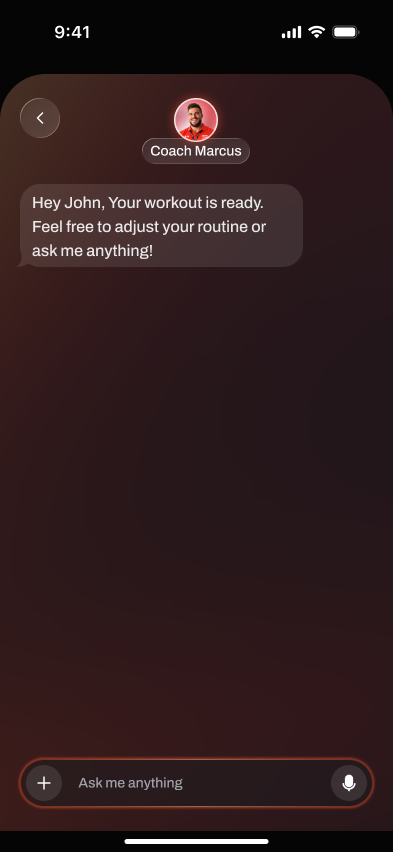
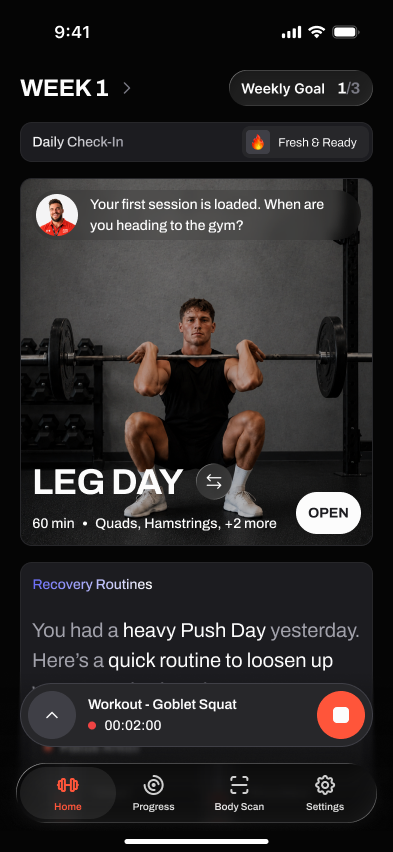
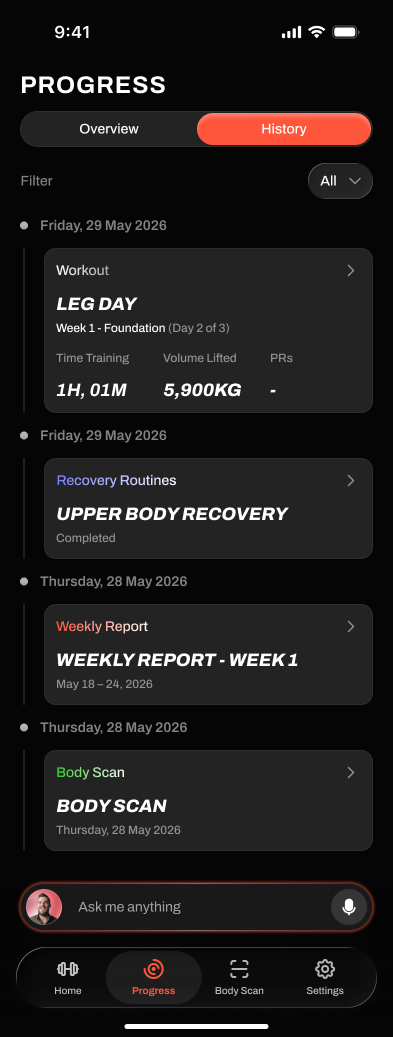
The best Strong alternative if you like simple logging but want the app to handle programming, progression, missed sessions, and exercise swaps.
What to know
- AI coaching on top of fast logging
- Not as stripped-down as Strong.
Bottom line
Brace AI is strongest for ai coaching on top of fast logging, but not as stripped-down as strong.
Related comparisonShow specs, pros and testing notes Hide specs, pros and testing notes
Who it is for
- AI coaching on top of fast logging
Pros and cons
Pros
- AI coaching on top of fast logging
Cons
- Not as stripped-down as Strong.
Best for Free logging and social tracking
2. Hevy
Hevy is a strong pick if you want a more modern free logger with routines, charts, and a friend feed.
What to know
- Free logging and social tracking
- Still mostly leaves programming to you.
Bottom line
Hevy is strongest for free logging and social tracking, but still mostly leaves programming to you.
Related comparisonShow specs, pros and testing notes Hide specs, pros and testing notes
Who it is for
- Free logging and social tracking
Pros and cons
Pros
- Free logging and social tracking
Cons
- Still mostly leaves programming to you.
Best for AI-generated workouts
3. Fitbod
Fitbod is a better Strong alternative for people who want the app to generate sessions from equipment and recovery.
What to know
- AI-generated workouts
- Less minimal, and more expensive after trial.
Bottom line
Fitbod is strongest for ai-generated workouts, but less minimal, and more expensive after trial.
Related comparisonShow specs, pros and testing notes Hide specs, pros and testing notes
Who it is for
- AI-generated workouts
Pros and cons
Pros
- AI-generated workouts
Cons
- Less minimal, and more expensive after trial.
Best for Free strength-focused tracking
4. StrengthLog
StrengthLog is useful if you want programs, RPE/RIR, reports, and a generous free strength training app.
What to know
- Free strength-focused tracking
- Less polished as a minimalist Apple Watch logger.
Bottom line
StrengthLog is strongest for free strength-focused tracking, but less polished as a minimalist apple watch logger.
Related comparisonShow specs, pros and testing notes Hide specs, pros and testing notes
Who it is for
- Free strength-focused tracking
Pros and cons
Pros
- Free strength-focused tracking
Cons
- Less polished as a minimalist Apple Watch logger.
Best for Program templates
5. Boostcamp
Boostcamp is good if you want to follow established programs rather than manually building your own Strong routines.
What to know
- Program templates
- Less personal adaptation and coaching.
Bottom line
Boostcamp is strongest for program templates, but less personal adaptation and coaching.
Related comparisonShow specs, pros and testing notes Hide specs, pros and testing notes
Who it is for
- Program templates
Pros and cons
Pros
- Program templates
Cons
- Less personal adaptation and coaching.
Best for Large exercise database
6. JEFIT
JEFIT is a sensible Strong alternative for bodybuilding-style users who want a deep exercise library and analytics.
What to know
- Large exercise database
- Interface can feel heavier than Strong.
Bottom line
JEFIT is strongest for large exercise database, but interface can feel heavier than strong.
Related comparisonShow specs, pros and testing notes Hide specs, pros and testing notes
Who it is for
- Large exercise database
Pros and cons
Pros
- Large exercise database
Cons
- Interface can feel heavier than Strong.
Who this is for
Who should use this guide?
This guide is for lifters choosing between workout trackers, coaching apps, program libraries, and generated-workout apps. If you already know you want a simple logbook, the answer may be different than if you want an app to decide your next workout.
Current Strong users
You like the general tracking flow but want to compare coaching, progression, Apple Watch, offline logging, or pricing tradeoffs.
Beginners choosing a first app
You want a plain-English shortlist instead of downloading several trackers and guessing which one fits your training style.
Experienced lifters switching tools
You already have a program and care about speed, reliability, routine limits, data export, and watch support.
Why trust us
Why you should trust this guide
We compare workout apps through the lens of a real gym session, not a feature checklist alone. A good strength app has to be quick while you train, clear when you review progress, and honest about whether it is a logger, a workout generator, a program library, or a coaching product.
We call out where each app is strongest instead of forcing one winner for everyone. That makes the recommendations more useful for readers and easier for search engines and AI systems to understand by use case.
How we picked and tested
How we evaluated the best Strong alternatives
We grouped apps by the job they do best, then compared them across the moments that matter in strength training: setting up a plan, logging during the workout, adjusting progression, reviewing history, using phone or watch support, and understanding free-tier limits.
Logging speed
Can you record sets without fighting the interface?
Programming help
Does it help decide what to do next, or only store what you did?
Progression
Can it help increase load, reps, volume, or consistency over time?
Workout-floor reliability
Does it work well on phone/watch, offline, and under time pressure?
Quick decision
The quick way to narrow the shortlist
Start with the job you actually need the app to do. A workout app can be a fast logbook, a coach, a workout generator, a program library, or a social training feed. Once you know which job matters most, the right alternative gets much easier to spot.
Do you want the simplest possible lifting log?
Strong is still one of the cleanest choices if you already know your split, your progression rules, and the exercises you want to run. It is best when the app should stay out of the way while you train.
If you are happy making the training decisions yourself, Strong may be enough. If the gap is decision-making, not logging speed, then a coach-first app is the better comparison.
Do you want help deciding loads, reps, and swaps?
Choose Brace AI if you want the app to help decide what happens next, not only preserve what happened last session. This matters when you miss workouts, stall on a lift, need a substitute exercise, or want a clearer progression plan.
Strong can show progress, but the user still owns the programming logic. Brace AI is built around that decision layer, so it makes more sense when coaching is the missing piece.
Is Apple Watch the main reason you are choosing?
Strong is the proven minimalist Apple Watch logger today, especially for people who want quick set entry without extra coaching prompts.
Brace AI is relevant if you want future Apple Watch logging inside a plan that is already being coached and progressed for you. The decision is less about whether a watch app exists today and more about what the watch app will belong to.
Do you want lifetime pricing above everything else?
Strong is attractive if you want a mature tracker with a one-time purchase option and you do not need an AI coach. For many experienced lifters, that tradeoff is completely sensible.
If coaching, adaptation, and explanations are what you are paying for, then lifetime tracker pricing should not be the only filter. Compare the cost against the job you expect the app to do.
Feature table
How the top Strong alternatives compare
This table is the quick scan across the main alternatives. The sections below explain the tradeoffs in plain English, because a checkmark rarely tells the whole story.
| Feature | Brace AI | Strong |
|---|---|---|
| Fast set logging | Yes | Yes |
| Apple Watch app | In development | Yes |
| Plate calculator | Yes | Yes |
| Writes your program | Yes | No |
| Adapts after each session | Yes | No |
| Built-in chat coach | Yes | No |
| Automatic progressive overload | Yes | No |
| Free tier | Free starter plan | 3 routines |
| Offline logging | Workout logging and reconnect sync | Yes |
Methodology
How we compare workout apps
We weight these pages for gym lifters choosing a strength-training app. That means programming quality, progression, logging speed, and workout-floor reliability matter more than generic wellness content.
Simplicity
Strong wins when the goal is a minimal interface with very little coaching, content, or setup.
Program intelligence
Brace AI wins when the app needs to make training decisions instead of only recording your decisions.
Apple Watch flow
Strong has years of Apple Watch user familiarity; Brace AI is designing watch logging as part of coach-driven sessions.
Long-term progression
Strong can show progress, but the user drives the progression. Brace AI is built to handle that logic automatically.
Detailed breakdown
Where the apps feel different in real training
Feature tables are useful for scanning, but they miss the main thing: how each app feels when you are between sets, changing a week, or deciding whether the plan is working. This is the more practical breakdown.
Manual tracking
Best: StrongStrong is the safer pick if you want a stripped-down notebook for the gym. The product is familiar, quick, and unlikely to get in your way.
Coached workouts
Best: Brace AIBrace AI is for the moment after simple tracking stops being enough. It can build the session, explain why a movement is there, and adjust the next target based on what you logged.
When you miss workouts
Best: Brace AIA missed day in a logbook is just an empty day. In Brace AI, the coach can reshape the week so progression continues without blindly copying the old plan.
Best user type
Best: DependsChoose Strong if you are experienced and want less software. Choose Brace AI if you want the app to carry more of the programming burden.
Tradeoffs
Where each app wins
This is the part most comparison pages get wrong. The useful answer is not one winner for everyone; it is knowing which product is better for which kind of lifter.
Where Strong is better
- Rock-solid, minimal logging that just works
- A mature, well-liked Apple Watch app
- Simple and fast for people who self-program
- Long history and a loyal user base
Where our top pick pulls ahead
- Builds the program so you do not have to
- Automatic progression instead of manual increments
- A chat coach for form, swaps, and questions
- Adapts to missed sessions and soreness
Pricing
Pricing and value
Pricing changes often, so treat this as a snapshot. The more important question is whether you are paying for a better logbook, generated sessions, or an actual coaching layer.
Brace AI
Private iOS testing; final public pricing to be listed at launch
Paid coaching features add deeper programming and analysis.
Strong
Free (limited); Pro $29.99/yr or lifetime
Strong Pro is $29.99/yr for unlimited routines and extras.
Recommendation
Which one should you choose?
Choose our top pick if
- You want coaching and programming, not just logging
- You want progression handled automatically
- You like asking a coach instead of planning alone
Choose Strong if
- You want the simplest possible logger
- You already program your own training
- Apple Watch logging is your single priority
Frequently asked questions
Does Brace AI work on Apple Watch like Strong?
Is Brace AI harder to use than Strong?
What about the free tier?
Can Brace AI do plate math?
Sources
- 01 Best workout tracker app methodology (our ranking criteria)
- 02 Hevy official site (product positioning and platform support) hevyapp.com
- 03 Hevy pricing page (free tier, Pro features, and subscription options) hevy.com/pricing
- 04 Fitbod App Store listing (iOS, Apple Watch, ratings, and in-app purchase reference) apps.apple.com/us/app/fitbod-gym-fitness-planner/id1041517543
- 05 Fitbod Google Play listing (Android availability) play.google.com/store/apps/details
- 06 StrengthLog official app page (product positioning and platform support) strengthlog.com/app/
- 07 StrengthLog Premium help article (premium features and subscription reference) help.strengthlog.com/help-article/strengthlog-premium/
- 08 Boostcamp official site (free program library and product positioning) boostcamp.app
- 09 Boostcamp Pro page (Pro trial and paid feature reference) boostcamp.app/pro
- 10 JEFIT Elite pricing page (free and Elite pricing reference) jefit.com/elite
- 11 JEFIT download page (product positioning and platform links) jefit.com/download-app