Exercise library
Clear, no-nonsense guides to the lifts that matter. Each one covers the muscles worked, how to perform it with good form, the mistakes to avoid, and tips to get more from it.
How to use these guides
Read the setup cues before training, then use the mistakes section after a set to check what felt off. The goal is better reps, not memorizing every cue.
Programming context
An exercise only works if it fits the plan. Each guide links back to programs and tools so you can understand where the lift belongs in a week.
Reviewed for lifters
We focus on practical cues, muscles worked, useful rep ranges, and common mistakes that show up in normal commercial, home, and garage gyms.
Short answer
Pick exercises you can repeat, track, and progress
A useful exercise is not just hard. It needs a clear setup, a stable range of motion, a target muscle, and a progression path. If you can repeat the same movement week after week and add reps, load, or control without changing the rep, it is a strong candidate for your program.
Beginners should usually start with simple compound patterns, then add isolation work once the main lifts are stable. More advanced lifters can use the same library to find swaps when equipment, fatigue, or joint tolerance changes.
Who this is for
How to choose the right exercise
The best exercise is the one that trains the target muscle, fits your equipment, and can be repeated with stable technique. A barbell lift may be perfect for one lifter and a poor choice for another if the setup causes pain, the range of motion is inconsistent, or the movement is too hard to recover from.
Use these guides as a form and programming reference. Check the muscles worked, learn the setup, compare common mistakes, then decide whether the movement belongs in your current plan. If you cannot progress the lift cleanly, choose a simpler variation and build from there.
The exercise pages are also designed to connect with the program pages. A lift guide tells you how to perform the movement; a program tells you where it fits in the week, how many sets to do, and when to add load or reps.
Why you should trust us
How we write exercise guides
Every exercise guide is structured for practical training: what muscles it works, how to set up, how to perform the reps, which mistakes to avoid, and how to progress it inside a program. We avoid turning form into a giant cue list, because lifters need the few cues that actually change the rep.
We also connect exercises back to programs and tools. Learning the bench press is useful; knowing how often to bench, how many sets to perform, and when to add weight is what makes it productive over months.
Methodology
What each exercise guide has to answer
Every guide should answer the same practical questions: what muscles are trained, what equipment is needed, how to set up, what a clean rep looks like, what mistakes cause the most problems, and how the lift fits into a progression model. If a guide cannot answer those clearly, it is not ready for the library.
We also avoid treating every variation as equally important. The first priority is usually a stable compound movement or a simple isolation lift that can be loaded, repeated, and tracked. More advanced variations are useful when they solve a specific problem: equipment limits, joint comfort, weak-point training, or adding volume without beating up the main lift.
Last reviewed June 2026. Exercise guidance should be paired with program context and adjusted if a movement causes pain, changes technique under load, or no longer fits the recovery demands of the week.
As the library grows, each new exercise should add something distinct: a major compound lift, a useful substitution, a common home-gym variation, or an isolation movement that solves a clear programming need. Thin duplicate exercise pages are worse than a smaller library with strong form, programming, and substitution guidance.
The goal is a library that helps someone train today and gives the content engine a clean cluster to expand later: chest exercises, back exercises, leg exercises, compound lifts, and beginner-friendly substitutions.
That keeps the library useful instead of merely large.
Back
Chest
Glutes
Barbell Back Squat
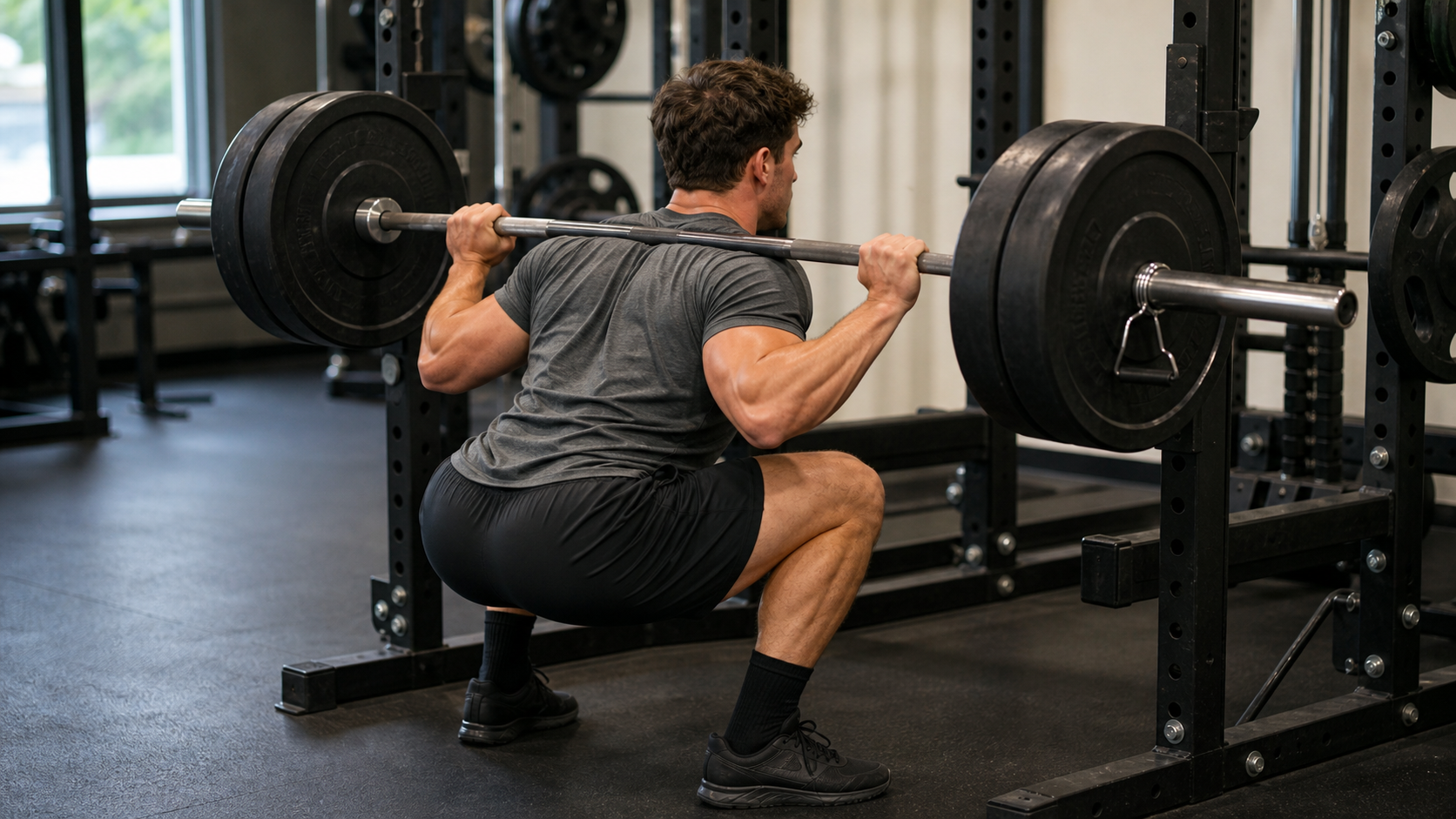
The barbell back squat is the foundational lower-body strength lift, training the quads, glutes, and hamstrings through a deep, loaded knee and hip bend.
How to do it Conventional Deadlift
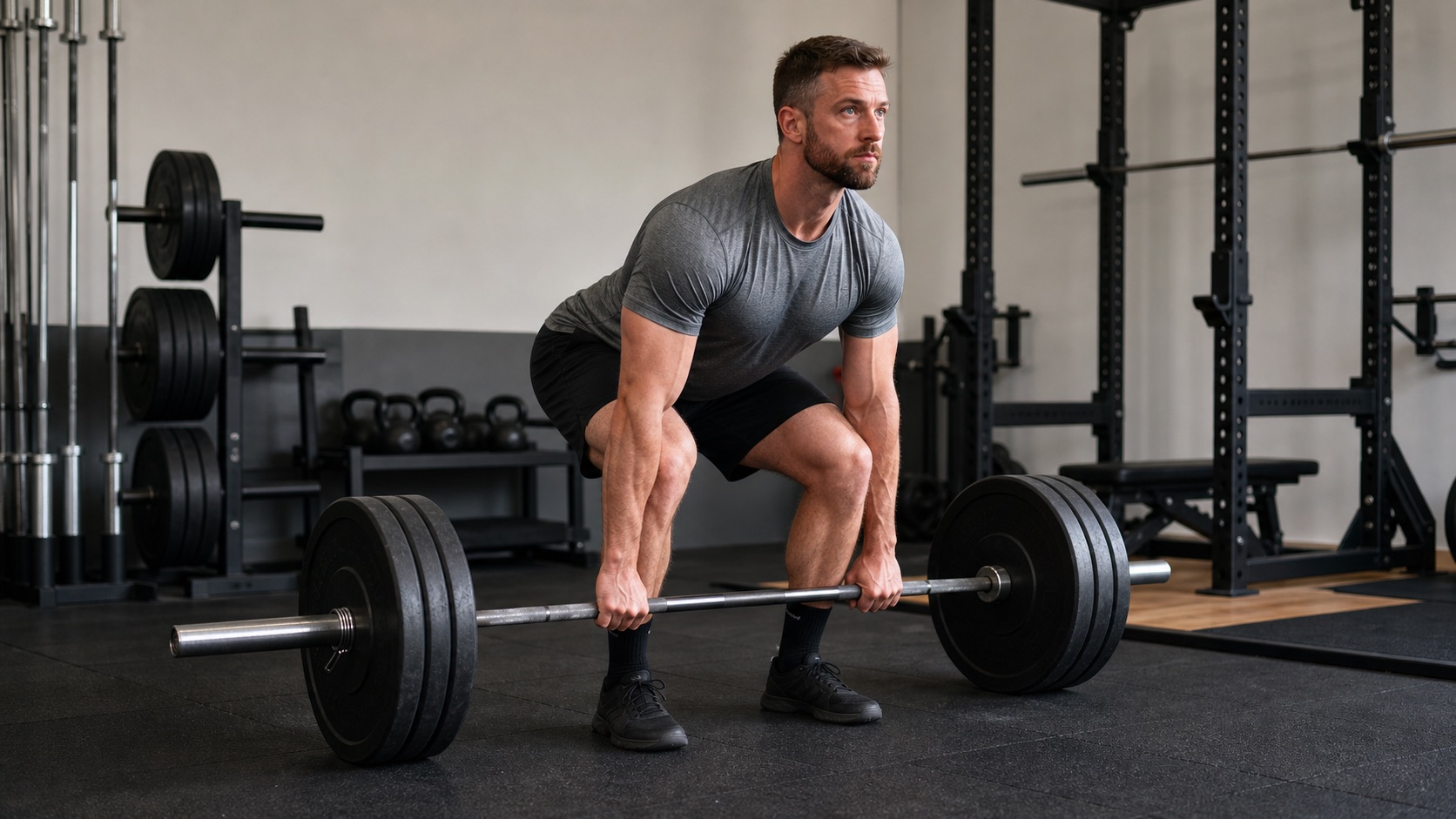
The conventional deadlift is a full-body pulling lift that trains the posterior chain, building the hamstrings, glutes, and back by lifting a loaded bar from the floor.
How to do itHamstrings
Quads
FAQ
FAQ
What exercise should beginners learn first?
Beginners should learn stable compound lifts first: squat, bench press, deadlift pattern, row, overhead press, and a hinge or hip thrust variation.
How should I use an exercise library?
Use the library to check setup, muscles worked, common mistakes, and substitutions before adding the movement to a structured program.
Do exercise guides replace coaching?
No. They help you understand the movement, but a coach or app should still place the lift inside a sensible weekly plan.
Stop guessing which lifts to do.
Brace AI picks the right exercises for your goals and equipment, then programs and progresses them for you.