Workout programs
Proven training splits with full weekly schedules, sets and reps, progression rules, and equipment swaps. Pick one that matches your goal and how often you can train.

5x5 Workout Program
The 5x5 workout is a classic strength program built on five sets of five reps of the main barbell lifts. Here is the full A/B routine, weekly schedule, and how to progress.
View the program
Beginner Strength Program
A simple 3-day full-body strength program for beginners. Two alternating workouts, the main barbell lifts, and clear progression so you know what to do next.
View the program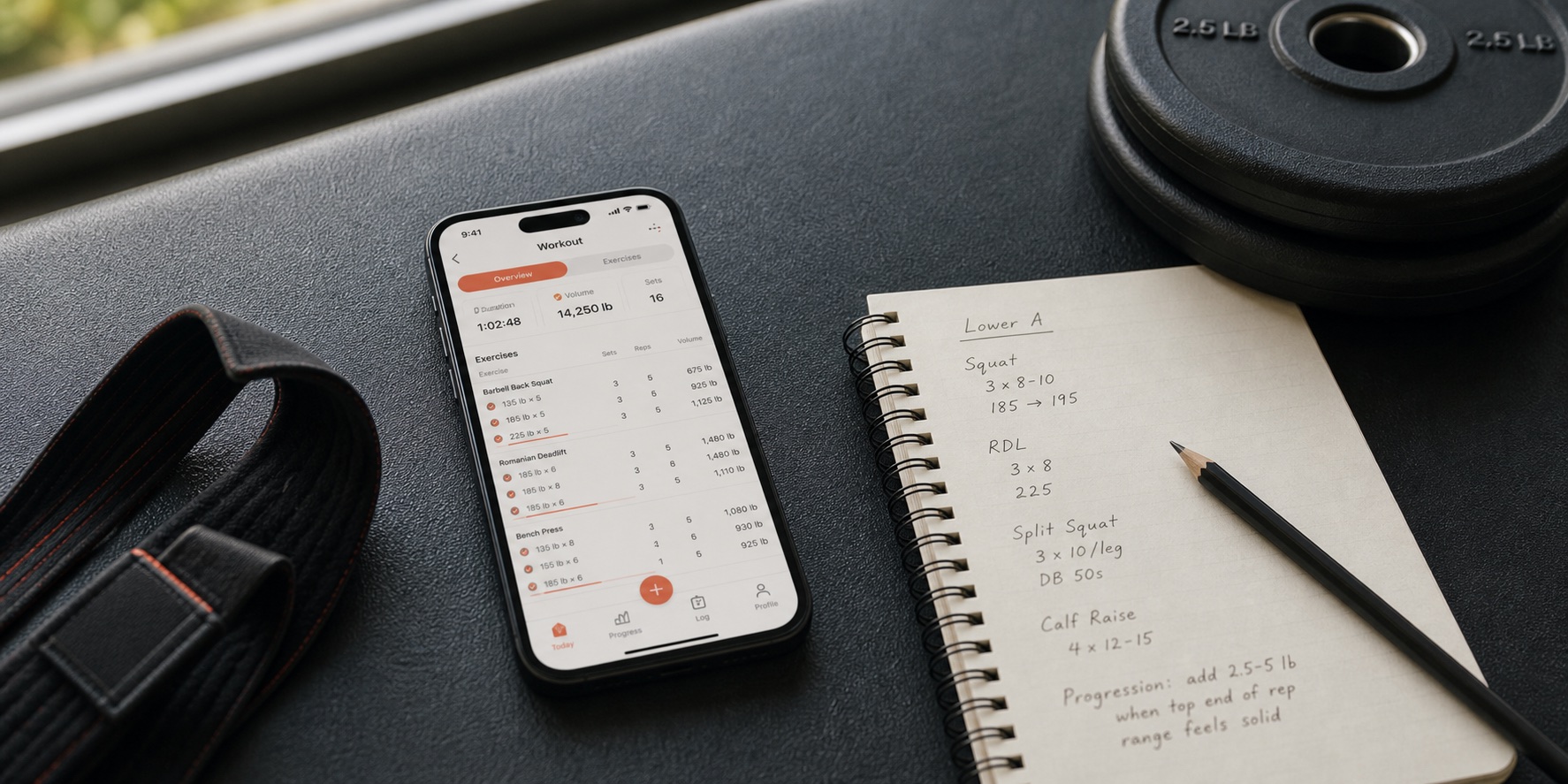
Full Body Workout
A practical 3-day full body workout program for beginners and busy lifters, with exercises, sets, reps, warm-up guidance, progression, substitutions, safety notes, and sources.
View the program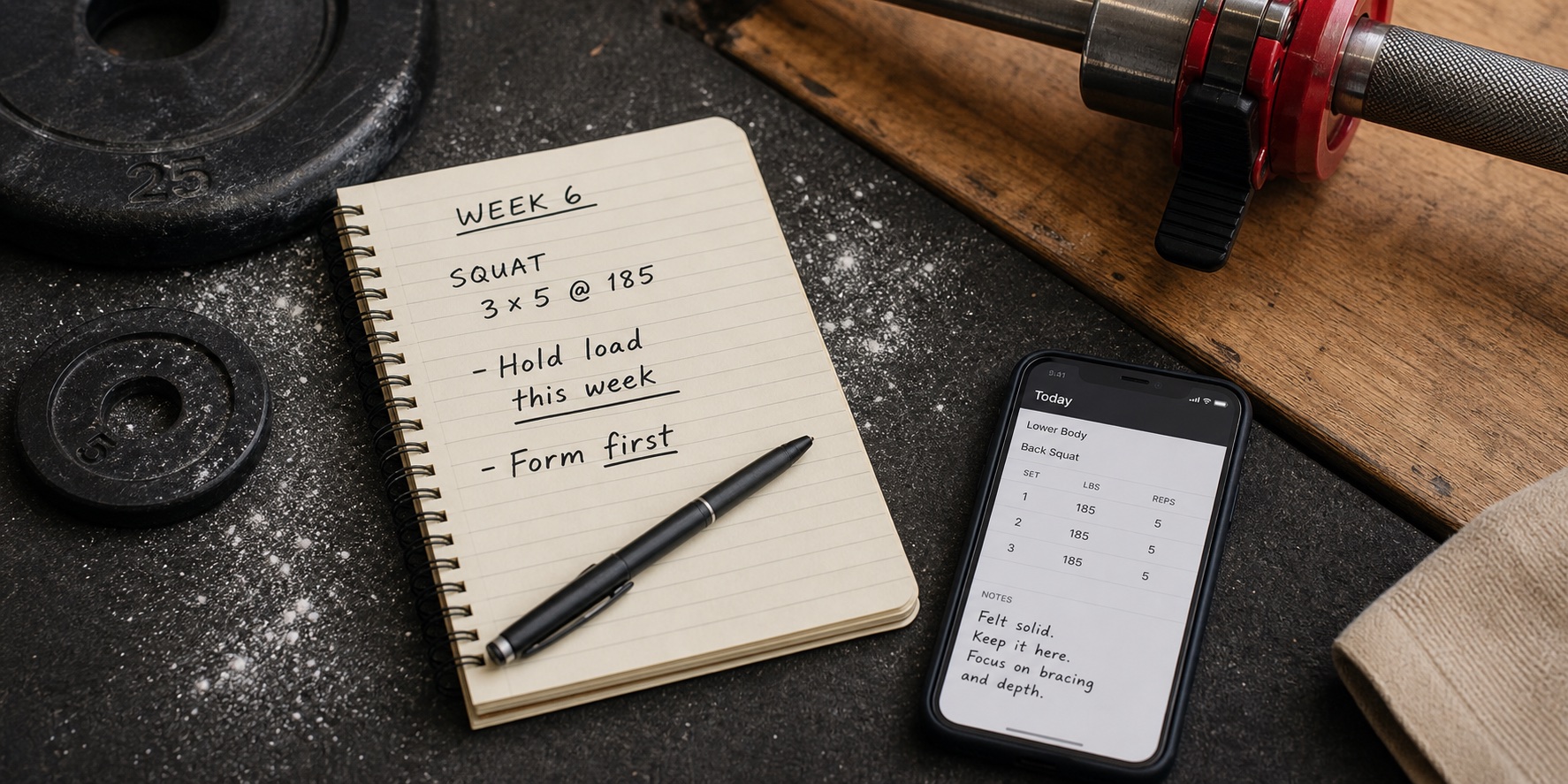
Upper Lower Split
A practical 4-day upper lower split for strength and muscle, with exercises, sets, reps, progression rules, beginner caveats, recovery guidance, and sources.
View the program
Push Pull Legs (PPL)
A practical push pull legs routine with a full 6-day PPL program, a beginner-safe 3-day version, progression rules, substitutions, and recovery guidance.
View the programShort answer
Which workout program should you pick?
If you are still learning the lifts, start with the beginner strength program. If you can train three days a week, choose full body. If you can train four days a week, upper/lower is usually the cleanest next step. If you already recover well and want more weekly volume, push pull legs gives you the most room.
The important thing is not choosing the most advanced split. It is choosing the program you can repeat long enough to progress. A simpler program run consistently beats a complex split that forces missed sessions, rushed warm-ups, or random exercise changes.
If two options both look reasonable, choose the one with fewer moving parts. You can always add accessories, extra volume, or a more specialized split later. The first job is building a repeatable week where the main lifts, recovery days, and progression rules are clear.
Best by use case
The fastest way to choose
These recommendations are editorial guidance, not medical advice. They are based on the same criteria used inside each program page: weekly frequency, exercise complexity, progression clarity, recovery demand, and how easily a lifter can log and repeat the plan.
New to lifting
Start with the beginner strength program
Use this when you need simple exercise selection, slower load jumps, and clearer practice time with the main lifts.
Read programThree days per week
Choose full body
Full-body training spreads hard sets across the week and works well when your schedule is busy or inconsistent.
Read programFour days per week
Choose upper/lower
Upper/lower gives each session a narrower focus while still training each major muscle group more than once per week.
Read programIntermediate volume
Choose push pull legs
PPL is best when you can train more often and want more room for chest, back, shoulder, arm, and leg volume.
Read programWho this is for
Use this hub when you need a repeatable training week
This page is for lifters who want a plan they can run, not just a list of exercises. If you are choosing between beginner strength, full body, upper/lower, push pull legs, or 5x5, the real question is how many quality sessions you can repeat while recovering well.
A program should make the next session obvious: which lift comes first, what working sets to do, how long to rest, when to add load, and what to do when a session is missed. If a plan cannot answer those questions, it usually becomes a loose exercise menu after week two.
Use the individual program pages for the full schedule, sets, reps, substitutions, and progression rules. Use this hub to choose the right starting point before you commit your training week to one split.
As the program library expands, new pages should earn their place by answering a different training problem. A 5x5 page, beginner strength page, full-body page, upper/lower page, and PPL page should not be rewrites of the same advice. Each should have a distinct schedule, recovery profile, progression model, and "who this is for" answer.
The automation should treat this hub as the control page for program content. If a new program is proposed, it should add a new training use case, link to the right exercise and glossary pages, and explain how the user should track progression without needing a second spreadsheet.
That keeps program pages useful for people and for AI search: the page does not just say "try this routine," it explains who should run it, why it works, and how to know whether it is still working after a few weeks.
It also gives every program page a clear update target when new evidence, examples, or app features need to be folded back into the library.
Why trust us
We judge programs by whether they work in a real training week
We do not treat a workout program as a PDF of exercises. A useful plan has to survive normal gym life: missed days, crowded racks, tired warm-ups, uncertain load jumps, and the moment where you need to know whether to push, hold steady, or back off.
That is why these pages focus on schedule fit, repeatable progression, exercise swaps, and logging clarity. The goal is to help you choose a plan you can run, review, and adjust, not just a split that looks impressive on paper.
How we picked
What makes a program worth following?
We review programs for gym lifters who need something they can actually run. Sets and reps matter, but the better question is whether the plan tells you what to do after week one, after a missed session, and after a lift stalls.
Clear weekly schedule: a program should say exactly which days or sessions you run, not just list exercises.
Progression rules: it should explain when to add weight, add reps, hold steady, or reduce load after a missed target.
Recovery fit: the split should match your training age, sleep, schedule, and how hard each session is.
Exercise swaps: a useful program gives alternatives for equipment limits, joint comfort, and crowded gyms.
Decision checks
Before you start a program
Use these checks before picking a plan. They are simple, but they prevent the most common mistake: choosing a split that looks optimal online but falls apart after two busy weeks.
Start with frequency, not ambition
A five- or six-day split only works if you can actually train that often. Most lifters make faster progress by choosing a plan they can repeat for 8 to 12 weeks without constantly moving sessions around.
Match complexity to skill
Beginners usually need fewer exercises and more practice with the same movements. Intermediate lifters can handle more variation, but still need clear rules for when a lift earns more load or volume.
Keep progression visible
A program should make the next workout obvious. If you need to guess every week, use a simpler plan or track it in an app that shows load targets, rep targets, and recent performance.
Source note
How to use these programs safely
The program pages cite strength-training research, coaching sources, and official app or tool pages where relevant. Exact exercise choices and progression rules are practical coaching guidance, so each program should still be adjusted for injury history, equipment, and recovery.
Last reviewed: June 2026. If you are choosing between programs, start with the simplest split that fits your schedule, log each workout, and only add complexity when your current plan stops giving you enough productive volume.
Not sure which program fits?
Brace AI builds a plan around your goal, schedule, and equipment, then progresses it for you week to week.